Stay Warm: The Definitive Guide to Gas Fireplace Installation
Gas-powered fireplaces deliver a perfect balance of coziness and performance, transforming living spaces into inviting retreats. This comprehensive guide covers the essential steps for selecting and installing a gas fireplace, providing both secure operation and practical functionality. From understanding the advantages to preparing for installation, every detail plays an important role. As homeowners consider these elements, questions may arise regarding the unique advantages and available design choices. Achieving a warmer and more comfortable home starts with well-informed choices.
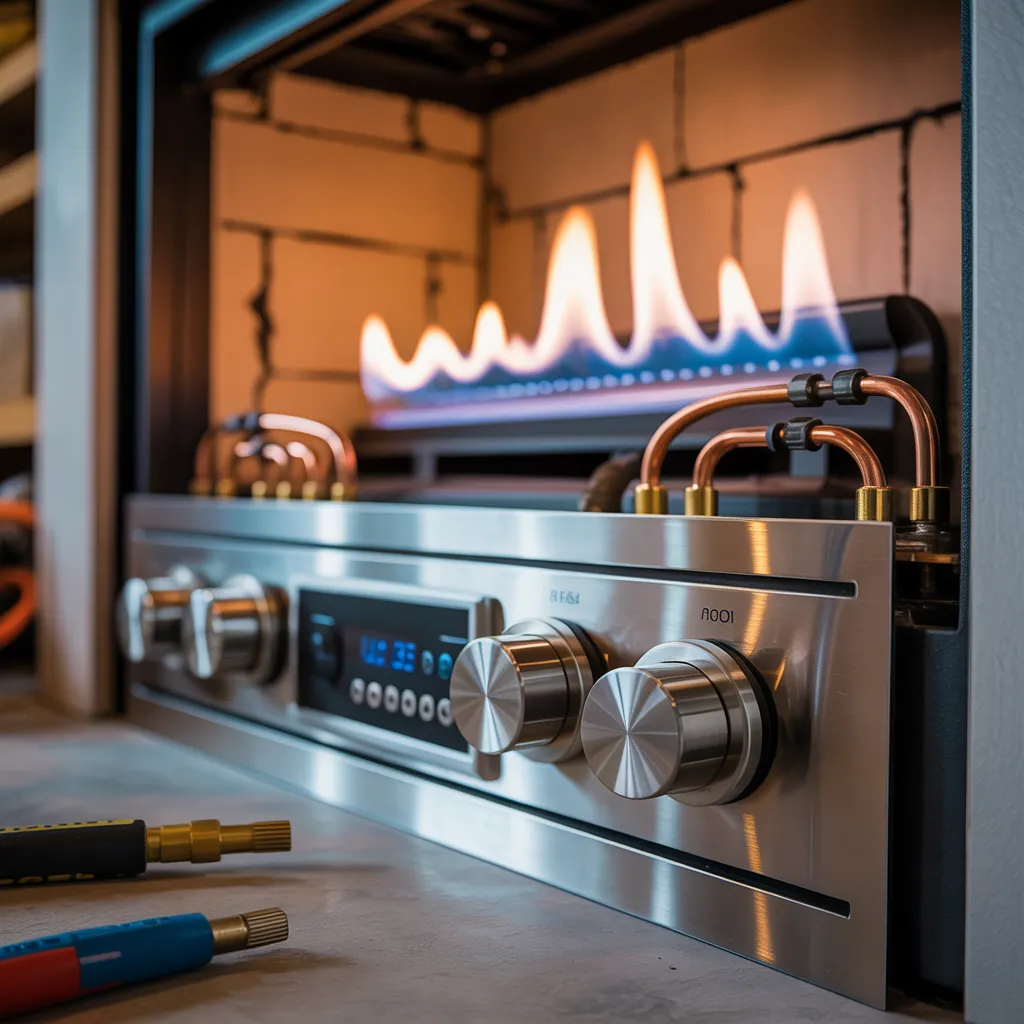
Why You'll Love Having a Gas Fireplace
A gas-powered fireplace transforms a living space into a cozy retreat, providing warmth and ambiance with the easy flip of a switch. Unlike traditional wood-burning options, gas fireplaces deliver the benefit of immediate warmth, removing the hassle of gathering wood or cleaning up ashes. Their technology supports reliable heat management, positioning them as an excellent solution for all-season comfort.
Additionally, gas-powered fireplaces can be found in a wide range of aesthetic styles and configurations, seamlessly blending with diverse interior design themes. Gas fireplaces require reduced upkeep than traditional wood-burning fireplaces, as they emit reduced emissions and eliminate the need for routine chimney maintenance. This eco-friendly aspect appeals to eco-minded homeowners.
Additionally, the security measures of current gas fireplace models, including auto shut-off mechanisms and protective glass enclosures, enhance peace of mind. In the end, a modern gas fireplace not only improves the visual appeal of a home but also guarantees a cozy and inviting environment for family members and guests alike.
Choosing the Best Gas Fireplace for Your Home
Selecting the right gas fireplace entails evaluating various factors to ensure it meets both functional and aesthetic needs. Residents should first evaluate the size of the space, as the heat output and dimensions of the fireplace must align with the space's needs. Design choices, such as conventional versus modern designs, play a crucial role in ensuring the fireplace suits the existing aesthetic.
Fuel type represents another critical aspect to evaluate; natural gas and propane each provide distinct installation and performance qualities. In addition, ventilation choices—direct vent, vent-free, or B-vent—affect airflow and safety.
Energy efficiency ratings deserve careful attention; more efficient models can result in lower energy bills. Finally, assessing the manufacturer's standing and warranty coverage can offer reassurance about the fireplace's durability and support. By thoughtfully considering these elements, homeowners can choose a gas fireplace that enhances both the comfort and ambiance of their living space.
Important Installation Elements for Gas Fireplaces
During the installation of a gas fireplace, the location must be carefully considered for optimal performance and safety. Additionally, grasping the venting requirements is essential to guarantee proper airflow and compliance with regulations. These factors play a significant role in the general efficiency and operation of the heating unit.
Factors for Selecting a Location
Picking the ideal spot for a gas fire unit is vital for optimizing its safety and efficiency. Elements such as room layout, size, and existing structures greatly influence this determination. Optimally, the fireplace should be installed in a central area to offer even heat distribution throughout the room. Proximity to gas lines is also significant, guaranteeing an clean installation process. In addition, accounting for clearance from combustible materials and compliance with established building regulations is required for safe operation. Natural lighting and ventilation systems should be considered to improve both performance and visual appeal. Ultimately, a thoughtfully chosen location boosts the fireplace's performance while improving the room's comfort and aesthetic appeal.
Venting Requirements Guide
Proper venting is a fundamental aspect of gas fireplace installation that significantly affects overall performance and safety. There are two primary venting systems: direct vent and vent-free. Direct vent units employ a double-walled pipe that vents gases outdoors while pulling in clean air, ensuring proper combustion. This system is often preferred for its safety and efficiency. Vent-free models, by contrast, do not require external venting and can be highly adaptable during installation, but they may raise indoor air quality issues due to the emission of combustion byproducts. It is essential for homeowners to consult local building codes and regulations regarding venting requirements, as these can differ significantly and may dictate the safest and most effective installation methods.
Preparing Your Space for Installation
Getting ready the area for gas fireplace installation is a vital step that secures peak performance and safety. First, the area should be free from any furniture, decorations, or flammable materials, allowing ample room for the installation procedure. This not only secures safety but also provides easy access for the installer. Furthermore, assessing the existing framework is essential; floors, walls, and ceilings should be examined for any required reinforcements or modifications to support the fireplace's weight and heat output.
Additionally, checking proper ventilation is essential. Homeowners should determine potential positions for venting and inspect for any obstacles in the designated pathways. To conclude, reviewing local building rules and guidelines can reduce the chance of future complications. By carefully setting up the space, residents can create a suitable environment for a successful gas fireplace installation, increasing both safety and efficiency.
What Are the Steps to Install Your New Gas Fireplace?
Fitting a new gas fireplace requires various important procedures to guarantee proper performance and protection. Initially, the installer must identify an ideal location, verifying adequate clearance from combustible materials. Following this, the gas line should be installed, usually demanding the use of a licensed expert to comply with local codes. The fireplace unit is then positioned in the assigned area, verifying it is balanced and firmly set.
Proper ventilation is essential; the venting system must be connected by the installer following the manufacturer's guidelines to maintain correct exhaust performance. Once that is complete, the fireplace's facing and ornamental parts are carefully fitted. Once the unit is in place, it is critical to inspect every connection for potential gas leaks with the use of a soap solution. To conclude the installation, the fireplace must be thoroughly examined to verify proper operation prior to use. A correct installation improves not only the fireplace's performance but also the general safety of the household.
Essential Safety Precautions During Installation
Even though gas fireplaces offer coziness and aesthetic appeal, taking safety steps during installation is critical to prevent hazards. Adequate ventilation is crucial; technicians must confirm that flue and vent systems are correctly placed to eliminate the risk of carbon monoxide concentration. Before any work commences, consulting local building codes and acquiring the appropriate permits can prevent potential legal issues.
Gas lines need to be examined for leaks by applying a soap solution, and connections should be tightened securely. It is equally important to utilize suitable materials, such as heat-resistant surrounds, to reduce the risk of fire. An electric shut-off valve must be fitted for emergencies, enabling rapid gas shutoff.
Finally, it is essential to enlist a licensed technician to carry out the installation, ensuring adherence to safety standards. Following these precautions not only bolsters the level of safety but also encourages maximum efficiency of the gas-powered fireplace, giving homeowners greater peace of mind.
How to Maintain Your Gas Fireplace for Optimal Performance
Upkeeping a gas fireplace calls for regular attention to ensure optimal performance and safety. A key measure is to schedule annual inspections by a trained expert. This verifies that all systems, including the gas lines and ignition system, operate correctly. Consistent cleaning is also essential; residue can restrict airflow and lower efficiency. Residents should regularly clean the burners, logs, and glass doors to stop soot from building up.
Examining the ventilation system is another essential task. It needs to be kept unobstructed to facilitate efficient ventilation. Additionally, residents are advised to check for gas leaks by dabbing soapy water onto the joints; the presence of bubbles signals a leak. When the appliance is running, watching the color of the flame can reveal important details about efficiency; a consistent blue flame confirms proper combustion.
Ultimately, ensuring a sufficient supply of propane or natural gas will confirm the fireplace runs efficiently. By implementing these steps, homeowners can enjoy a safe and efficient gas fireplace for the long term.
Questions We Often Receive
Can a Gas Fireplace Be Installed in an Existing Wood-Burning Fireplace?
Yes, a gas fireplace can be fitted in an current traditional wood fireplace. That said, it calls for careful evaluations of the structure, air circulation, and protective measures to secure alignment with local requirements and peak operation.
What Is the Standard Cost of Gas Fireplace Installation?
The typical cost of installing a gas fireplace usually falls from $2,500 to $5,000, influenced by factors such as the location, the type of unit selected, and any required modifications to existing structures or ventilation systems.
How Regularly Should My Gas Fireplace Be Serviced?
A gas fireplace ought to be serviced every year to guarantee safe and optimal functionality. Routine maintenance inspections applicable information aid in uncovering potential concerns, enhance performance, and extend the lifespan of the unit, assuring a comfortable, welcoming atmosphere.
Are Gas Fireplaces Eco-Friendly?
Gas fireplaces are widely regarded as more eco-friendly than traditional wood-burning options, as they produce fewer emissions and pollutants. Nevertheless, their total environmental impact is determined by the energy source used for gas and local regulations.
Am I Able to Use a Gas Fireplace During a Power Outage?
Yes, a gas fireplace can be used during a power outage, provided it has a standing pilot light. Nevertheless, electronic ignition models may not operate without electricity, so verifying the particular fireplace model is important.